 Triple J Metal
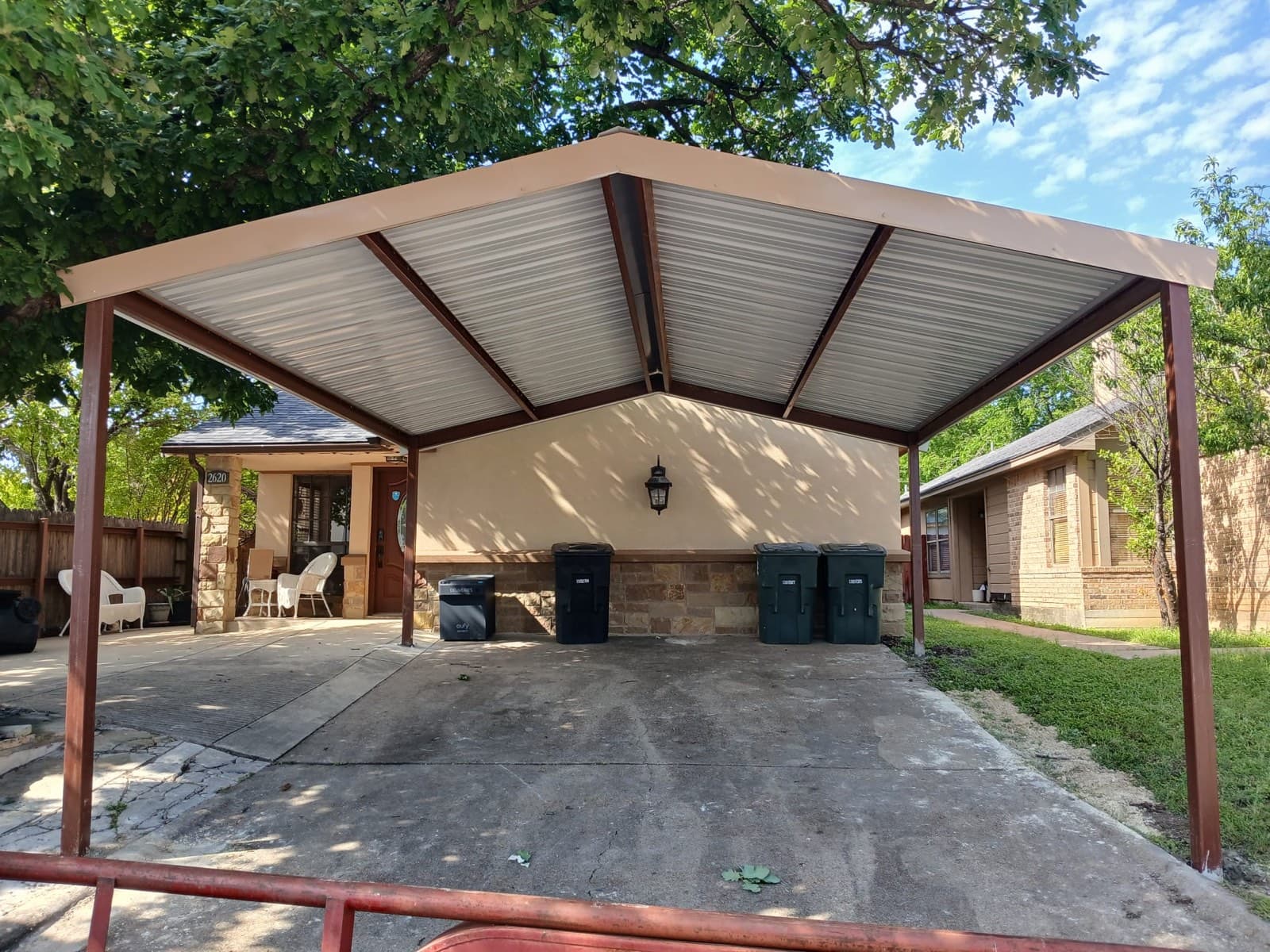
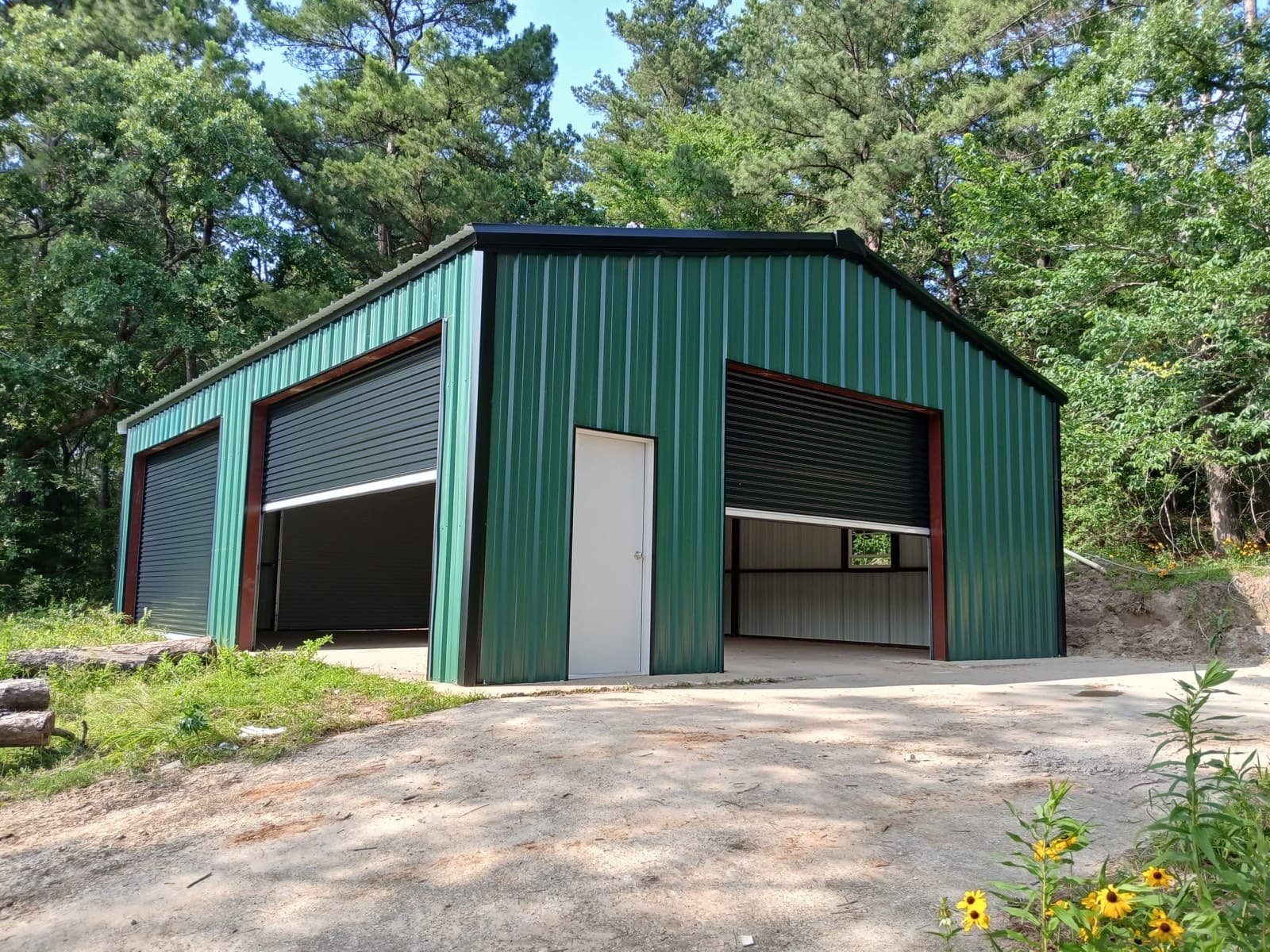
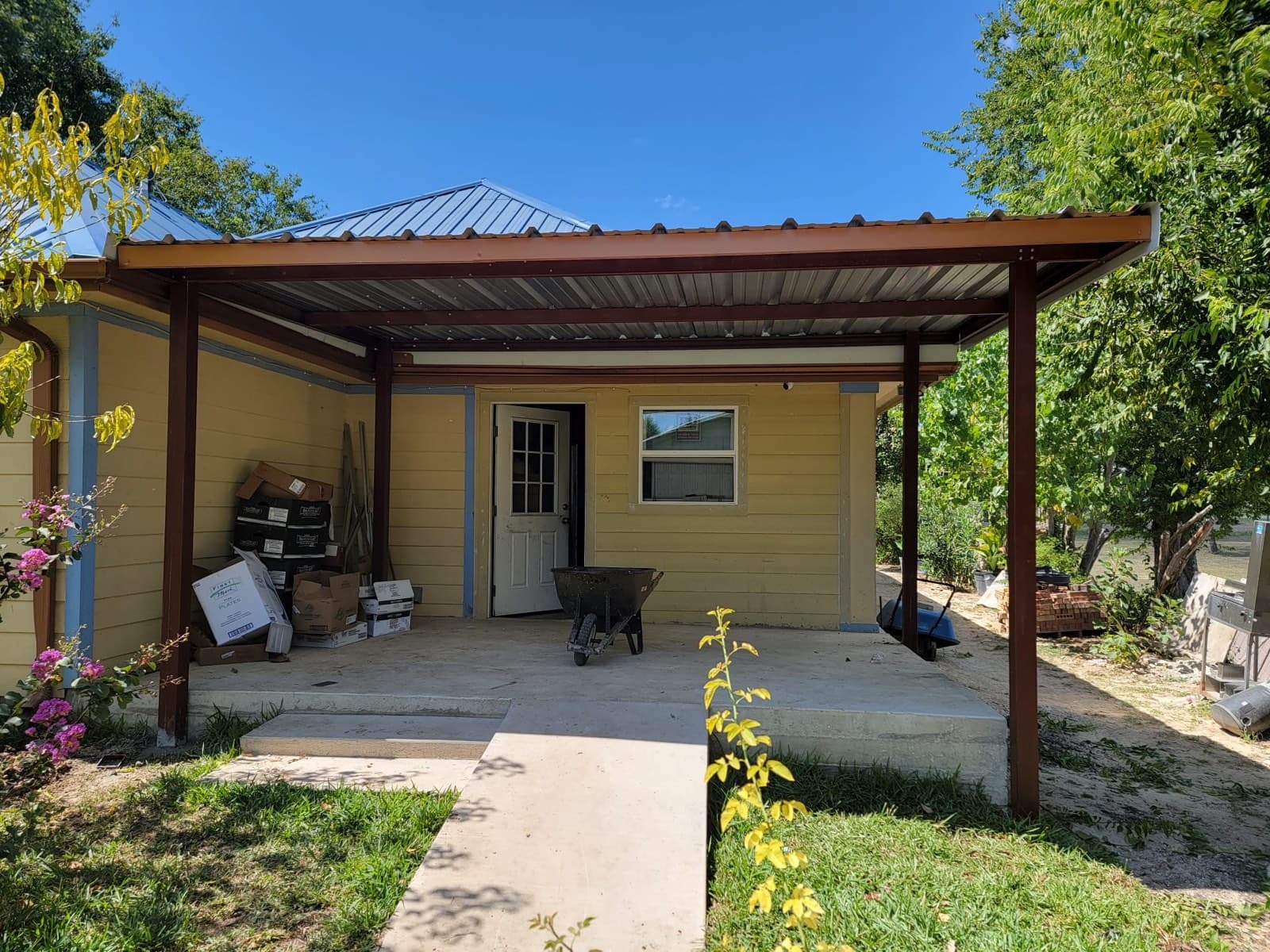
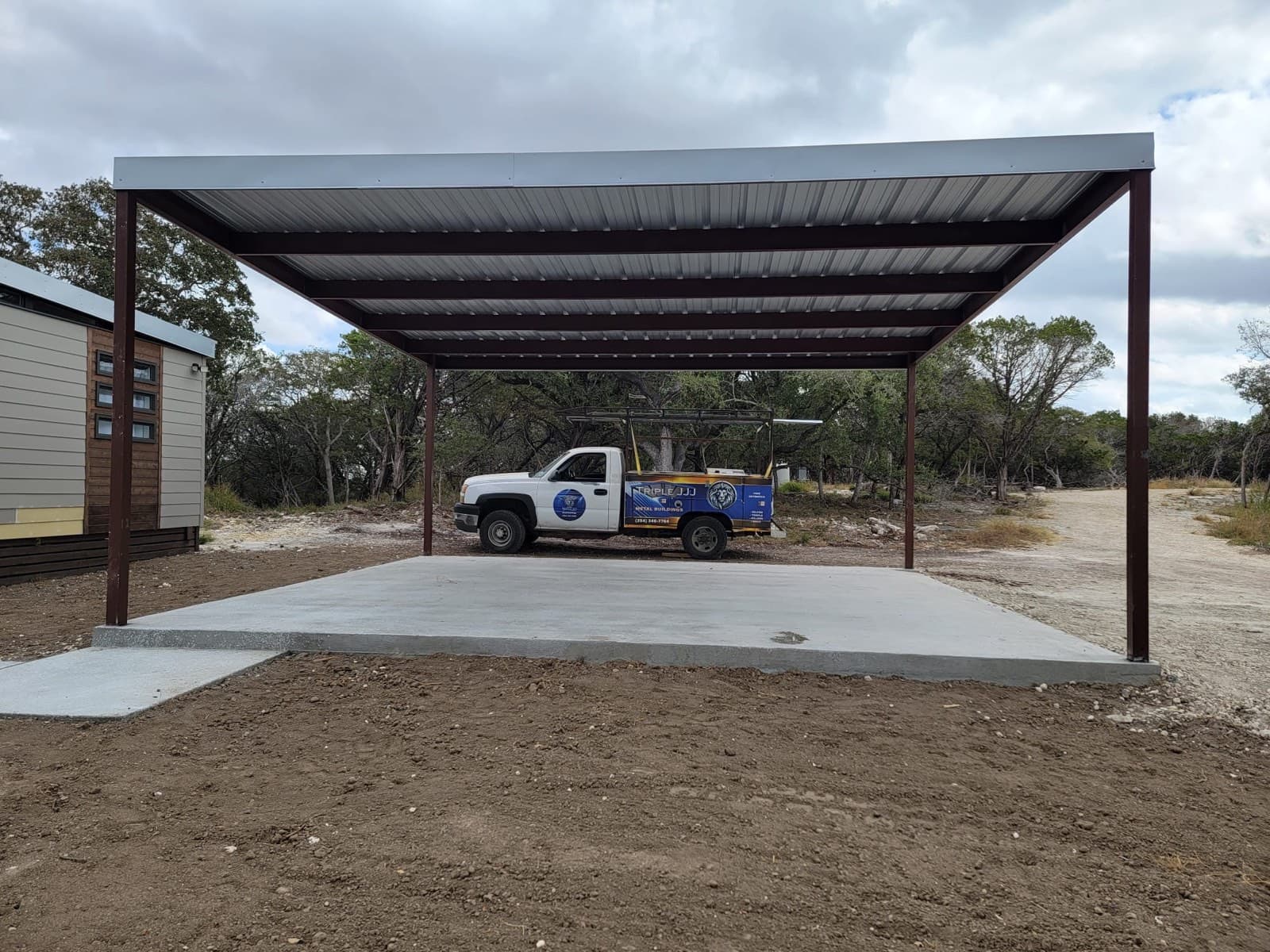
One of the first questions we get on every quote call is: “Do I need a permit for this?” The honest answer in Bell County, Texas is: it depends on size, jurisdiction, and what your property is zoned. The rules in Temple, Killeen, Belton, and unincorporated Bell County are different from each other — and the consequences of building without the right permit can follow your property deed for decades.
This is a working guide from a local crew that builds across Bell County. We’ll walk through what usually triggers a permit, who can apply for one, what it tends to cost, and how long it takes — and where to confirm each answer for your own lot.
Why Permits Matter More Than Most Contractors Admit
A structure built without a required permit is an “unpermitted improvement.” In Texas, that shows up on property disclosure statements. Title companies flag it. If you ever file a homeowner’s insurance claim for a storm-damaged structure, an unpermitted building may be excluded from coverage. Some lenders won’t include unpermitted square footage in appraisals.
Beyond the paperwork, permitted structures must meet setback requirements, fire separation distances, and wind load standards. Those requirements exist because of real failure modes — structures that collapse on neighboring properties, block drainage easements, or create fire spread risk.
Bell County Permit Requirements by Jurisdiction
| Jurisdiction | Permit Threshold | Who Can Apply | Typical Turnaround |
|---|---|---|---|
| City of Temple | Structures ≥ 200 sq ft | Licensed contractor or owner-builder | 5–10 business days |
| City of Belton | Structures ≥ 144 sq ft | Licensed contractor preferred | 5–10 business days |
| City of Killeen | Structures ≥ 120 sq ft | Licensed contractor required for some scopes | 7–14 business days |
| Harker Heights | Structures ≥ 200 sq ft | Contractor or homeowner | 5–10 business days |
| Unincorporated Bell Co. | Structures ≥ 200 sq ft (varies by zoning) | Contractor or homeowner | 3–7 business days |
Important: These thresholds apply to detached accessory structures on residential lots. Commercial properties, properties in floodplains, and properties with HOA covenants may have additional or different requirements. Always verify with the applicable building department before breaking ground.
What Does a Permit Actually Cost in Bell County?
Bell County and its municipalities use a valuation-based fee schedule. As of 2025, typical permit fees for a metal carport or garage in this range:
- Small structures (under 300 sq ft): $50–$150 permit fee
- Mid-size (300–800 sq ft): $150–$350
- Larger structures (800+ sq ft): $350–$800+, may require stamped engineering
These are the permit fees only — stamped engineering drawings, where a structure needs them, are a separate cost. Some municipalities also charge plan review fees separately from the permit issuance fee.
When Does a Structure Require Stamped Engineering?
Texas has specific wind zone requirements. Structures in the windstorm certification zones (Zone V, near the Gulf) require stamped engineering. Bell County is not in those mandatory zones, but individual municipalities may require engineered drawings for:
- Structures larger than 1,000 sq ft
- Structures attached to the main dwelling
- Commercial-scale structures on residential lots
- Any structure submitted by a licensed contractor for permit (some jurisdictions)
If your city will want stamped drawings for your structure, we’ll say so during the quote and talk through how to get them — it’s part of the quote discussion, not a surprise at permit time.
Who Applies for the Permit — You or the Contractor?
It depends on the jurisdiction and the project. Some cities let the property owner apply; some expect the contractor to. Triple J’s role is advisory: we give permit guidance and talk through approvals before we schedule, and who files is confirmed in your written scope — so you know before you sign, not after the steel arrives.
Whoever builds your structure, ask the same questions: who applies for the permit, who prepares the site, and who meets the inspector? Get the answers in the written scope. When you’re the permit holder and you don’t know the local process, you’re exposed.
If you’d rather apply yourself as an owner-builder, many Texas cities allow it for your primary residence. Just understand that the inspection process and any code violations fall on you.
Setback Requirements: What to Verify Before You Pick a Location
Every city and county has setback requirements — minimum distances your structure must maintain from property lines, easements, and the main dwelling. In Bell County municipalities, typical residential setbacks for accessory structures are:
- Rear yard: 5–10 feet from property line (varies by city)
- Side yard: 3–5 feet minimum
- Front yard: Behind the front face of the main dwelling, typically no accessory structures allowed in front setback
- Drainage easements: No permanent structures allowed within the easement footprint (check your plat)
Before we quote your project, we’ll ask for your property address, talk through the setbacks that usually apply there, and point you to the city or county office that confirms them. Better to catch a setback issue during the quote than after the concrete is poured.
HOA Covenants Are Separate from Building Permits
If your property is in a subdivision with a Homeowners Association — Heritage Oaks in Killeen, Bella Charca in Nolanville, and dozens of other Central Texas communities — your HOA architectural review committee must approve your structure separately from the city building permit. Our guide to HOA-compliant metal buildings covers what those reviews look for.
A city permit does not override an HOA covenant. A structure that passes city permitting but violates HOA covenants can be ordered removed by the HOA — after you’ve already paid for the concrete and steel. We ask about HOA requirements during every quote for properties in known HOA communities.
Start with the Quote Call
The fastest way to understand what your specific project requires is to describe it to us. When you call or fill out the quote form, tell us the address, the structure size, and your intended use. We’ll tell you what your jurisdiction usually requires, flag setbacks and HOA review, and write who handles the permit into your scope. No surprises.
Building in Bell County? See our Temple, Belton, and Killeen pages, or browse carports and garages.